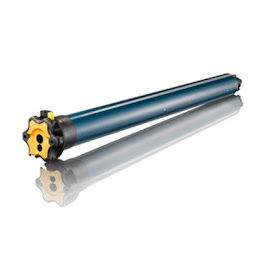
Roller Shutter Motor Price: Australia 2025 Costs & Kits
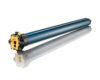
When people search for “roller shutter motor price”, they’re usually weighing up the cost of the tubular motor that sits inside the shutter barrel and does the lifting, either as a supply-only part or fully installed with controls and wiring. Price is driven by the torque your shutter needs, the brand (and noise level), the control method (wall switch, remote, smart), and the power source (battery, solar, or 240 V mains). As a quick orientation for Australia in 2025, supply-only motors start around $120 for entry models and reach $450+ for premium brands; like-for-like replacements commonly end up in the mid-hundreds installed, depending on access and electrics.
This guide maps out current Australian price ranges by motor type and brand, then shows what actually moves your quote up or down. We’ll compare supply-only versus fully installed costs, highlight typical pricing in Adelaide against other capitals, and cover motor sizing basics so you don’t over- or under-spec. You’ll also see how remotes, smart hubs and power choices affect the budget, the pros and cons of DIY versus licensed installation, expected lifespan and running costs, where to buy, what to insist on in a quote, and a quick checklist to get an accurate, apples‑to‑apples price.
Price ranges by motor type and brand in Australia (2025)
If you’re comparing roller shutter motor prices in Australia this year, most supply‑only tubular motors sit between $250 and $750 depending on torque and brand, with smart or battery kits costing more. Use the ranges below to benchmark quotes and spot where “extras” are being added.
- Economy 230–240 V (generic imports): $220–$380(≈20–40 Nm; budget, often louder).
- Mid‑range (Ozroll, JAI): $220 –$275 (quieter, easy local spares).
- Premium (Somfy RTS): $450–$750(ultra‑reliable, built‑in radio, 5‑yr parts typical).
- 12 V DC motors: from $125 for 10 Nm (e.g., OzRoll); complete low‑voltage kits $320–$480.
- Smart motor kits (motor + receiver/hub): $350–$650 (brand and torque dependent).
- Plug‑in RF motor + Wi‑Fi bridge bundles: $235–$355 (pre‑paired convenience).
Notes: most “replacement motor” listings cluster at $120–$475; control extras can add $20–$400. Allow $20–$40 freight per order outside capital cities. Up next: the factors that actually push your roller shutter motor price up or down.
What affects the roller shutter motor price
Two shutters can look identical yet need very different motors. Price moves with how heavy the curtain is (and the torque to lift it), the brand tier and warranty, and whether controls and power gear are bundled. The bits you don’t see—like in‑built radio receivers, manual override gearboxes, and adaptors—also nudge the number.
- Torque rating (Nm): Bigger, heavier shutters need higher Nm; expect each step up to add roughly $50–$140 per motor.
- Brand and warranty: Budget imports are cheapest; quieter, app‑ready brands like Somfy command $300–$475 with longer warranties.
- Power type: 240 V is common; battery/12 V kits cost more, and solar add‑ons run about $130–$220.
- Controls: Basic switches are cheap; remotes, multi‑channel handsets or Wi‑Fi hubs add about $20–$400.
- Tube/adaptors: Matching crowns/adaptors for 50/60 mm tubes typically add $20–$25.
- Freight: Outside capitals, allow roughly $20–$40 per order.
Supply-only vs fully installed costs
Deciding between supply-only and fully installed changes the real roller shutter motor price more than the brand does. Supply-only motors in 2025 run $120–$475 (smart/battery kits $350–$650), with a typical DIY basket for a mid‑size shutter about $480 once adaptors and controls are included. Fully installed jobs bundle parts, labour and compliance, and usually end up in the mid‑hundreds.
- Supply-only: $120–$475 motor + $20–$25 adaptors + $20–$40 freight; smart kits $350–$650.
- Fully installed: Most invoices land around $650–$820 per shutter (example breakdown ≈ $770). Straightforward motor swaps can start from $550 in Adelaide.
- What’s included installed: Motor, crowns/adaptors, switch/receiver, removal/refit, 240 V cabling by a licensed electrician and Certificate of Compliance.
- Manual-to-electric conversions: Allow an extra $120–$180 for new cabling and switch work.
If you lack a nearby power source or want warranty-backed parts and compliance, fully installed is the safer bet; DIY suits low‑voltage or simple like‑for‑like swaps.
Typical installed costs in Adelaide and how they compare with other cities
For a like‑for‑like motor swap, Adelaide installs can start from about $550 when access is simple; most fully installed jobs sit around $650–$820 per shutter including parts, licensed electrical work and compliance. Higher labour rates and mark‑ups push typical totals to $700–$900 in Sydney and $680–$860 in Perth. Bundling multiple shutters often trims 10–20% off labour. Allow extra for manual‑to‑wired conversions (+$120–$180) or tricky access ($90–$250).
| City | Typical installed total (per shutter) |
|---|---|
| Adelaide | $650–$820 (from ~$550 on simple swaps) |
| Sydney | $700–$900 |
| Perth | $680–$860 |
Motor sizing and compatibility basics (tube, torque, shutter size)
Getting the size right is half the battle—and it’s why the same “roller shutter motor price” can fit one window but fail on another. Match three things: the tube the motor sits in, the torque (Nm) needed to lift the curtain, and the space/controls you already have. Most Australian shutters use 40–60 mm tubes; many premium motors ship with crowns/adaptors for 50/60 mm, while 40 mm tubes often need a specific kit (e.g., OzRoll’s 12 V options). As a rule of thumb from local installers, small windows can run on around 20 Nm; wide patio doors may need closer to 50 Nm. Underspec strains and shortens life; overspec just costs more. Battery/12 V motors suit lighter curtains; 240 V handles heavier spans.
- Confirm tube type: 40/50/60 mm, round or octagonal, and get matching crowns/adaptors.
- Size for torque: Base it on curtain width/height and slat type/weight.
- Check headbox space: Allow for manual override where fitted.
- Match controls: Ensure motor radio (RTS/RF) aligns with your remotes/hub.
Control options, smart upgrades and how they change the price
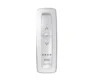
Controls are the quiet budget movers. A basic wall switch is often bundled with the motor, but the moment you add remotes or app control, your roller shutter motor price climbs. Some premium motors have the radio receiver built in (e.g., RTS), while budget units need an external receiver or bridge—shifting costs from tens into low hundreds. Hubs are usually a one‑per‑home cost, so the more shutters you automate, the less it hurts per window.
- Basic wall switch: usually included; allow ~$0–$20 for a simple toggle.
- Single‑channel remote: about $80.
- Multi‑channel handset: about $120.
- External RF receiver: about $80 (typical line item on installs).
- Wi‑Fi hub/gateway (app/voice): $250–$400 (e.g., for RTS or RF ecosystems).
- Smart motor kits (motor + receiver/hub): $350–$650 supply-only.
- Plug‑in RF motor + Wi‑Fi bridge bundles: $235–$355.
- Programming: generally included in install labour; negligible on simple swaps.
Power choices: battery, solar or hard-wired
Your power choice changes both the roller shutter motor price and the practicality day‑to‑day. 240 V hard‑wired is the Australian default for reliability and heavier curtains, but it needs a licensed electrician (and compliance), adding labour. Battery/12 V kits avoid cabling—ideal where there’s no roof access—while solar add‑ons remove charging altogether for a modest uplift.
- Battery/12 V kits: $320–$480 supply-only; recharge roughly every 9–18 months; DIY‑friendly; best for lighter shutters.
- Solar add‑on: $130–$220 to keep batteries topped; lowest maintenance over time.
- Hard‑wired 240 V: Motors $120–$475 supply; typical installed totals $650–$900; perfect for bigger spans; electrician required.
- Plug‑in 240 V: Some motors ship with a 1.8 m lead to use a nearby GPO; no GPO means hard‑wiring.
- Running cost: Mains motors draw about 30 W per cycle—around $3/year for typical use.
DIY vs professional installation: costs, safety and compliance
DIY can trim the upfront roller shutter motor price, especially on low‑voltage kits, but hard‑wired jobs are a different story. A typical DIY basket for a mid‑size shutter lands around $480 supply‑only, while fully installed totals commonly sit $650–$820 per shutter (simple swaps from ~$550 in Adelaide). Remember: Australian law requires a licensed electrician for any 240 V connection, plus a Certificate of Compliance, and many brands shorten or void warranties on self‑installs.
- DIY suits: 12 V/battery or plug‑in motors, simple like‑for‑like swaps, easy access, and brands that permit self‑install.
- Go pro when: It’s hard‑wired 240 V, new cabling/switches are needed, access is tricky, or you want full parts and labour warranty.
- Legal & safety: Only licensed electricians can connect 240 V; compliance is mandatory and affects insurance.
- Hidden costs: Tools, return trips, and fix‑ups; a re‑program/service visit can be $120–$180.
Lifespan, warranty and running costs to factor in
Before you lock in a roller shutter motor price, bake in how long it will last, what the warranty really covers, and what it costs to run. Quality tubular motors typically last 8–15 years. Premium brands often include longer parts cover, but many manufacturers shorten or void warranties if the unit isn’t fitted by an authorised technician—another reason pro install can pay back over time.
- Warranty norms: 5–7 years on parts; at least 12 months on labour when professionally installed.
- Mains running cost: ~30 W for ~20 seconds, twice daily ≈ about $3/year at 35 c/kWh.
- Battery upkeep: 12 V systems usually need new SLA batteries every 3–5 years ($60–$90).
- Occasional service: Re‑programming limits or minor servicing typically $120–$180.
- Solar add‑on: Keeps batteries topped with near‑zero running cost.
Where to buy in Australia and what to look for in quotes
You can buy supply‑only from specialist roller shutter stores online (most list motors at ~$120–$475; 12 V OzRoll units start around $125), or book a factory‑direct/local installer for supply‑and‑fit with a licensed electrician—best if you want full warranty, compliance and tidy cabling. This is where roller shutter motor price transparency matters.
- Brand/model + torque (Nm): stated and suited to your shutter size.
- Inclusions: crowns/adaptors, switch/receiver, removal/refit, programming.
- Electrical: hard‑wiring by a licensed electrician + Certificate of Compliance.
- Warranty: parts (5–7 yrs typical) and labour spelled out.
- Extras: cabling distances, wall repairs, travel, and any return/after‑hours fees.
Quick checklist to get an accurate price
To get an apples‑to‑apples roller shutter motor price, give every supplier the same facts. Precision on size, weight and power/control avoids allowances and surprises. Use this quick checklist when you send photos for a quote.
- Opening size (W × H) and count
- Slat type/material (e.g., aluminium, insulated)
- Tube size or brand/age (40/50/60 mm if known)
- Current setup (manual, battery, or hard‑wired)
- Controls wanted (switch, remote, app/hub)
- Power/access (nearby GPO, cabling distance, headbox height)
- Clear photos (inside, outside, headbox)
Key takeaways
Bottom line: in Australia this year, supply-only motors run $120–$475 (smart/battery kits $350–$650). Fully installed sits around $650–$820 in Adelaide (simple swaps from ~$550), higher in Sydney/Perth. Biggest levers: torque, brand/warranty, controls, power. Size it right, match the tube, choose hard‑wired vs battery/solar early. For transparent pricing, licensed electrics and warranty-backed parts, speak to a local specialist. For a fast, no‑call‑out quote across Adelaide, contact Roller Shutter Repairs Adelaide and we’ll spec the right motor and lock in a firm price.