How To Handle Roller Shutter Motor Repair: Adelaide Costs
Your roller shutter motor has stopped working. The shutter is stuck halfway, or it refuses to budge at all. You press the remote button and nothing happens except maybe a faint clicking sound from inside the hood. This is one of those problems that needs fixing now, especially if the shutter protects your shop front or bedroom window.
The good news is that most motor problems follow predictable patterns. You can often pinpoint the issue yourself with a few basic checks. Sometimes the fix is as simple as resetting a thermal cut-out or replacing a battery pack. Other times you need a new motor or professional help.
This guide walks you through the complete process of handling roller shutter motor repair in Adelaide. You’ll learn how to diagnose common motor faults, understand when repair makes more sense than replacement, and get realistic cost estimates for professional service. We’ll also cover the safety checks you must do before touching any electrical components, plus show you when to call a qualified technician instead of attempting a DIY fix.
What to know about shutter motors
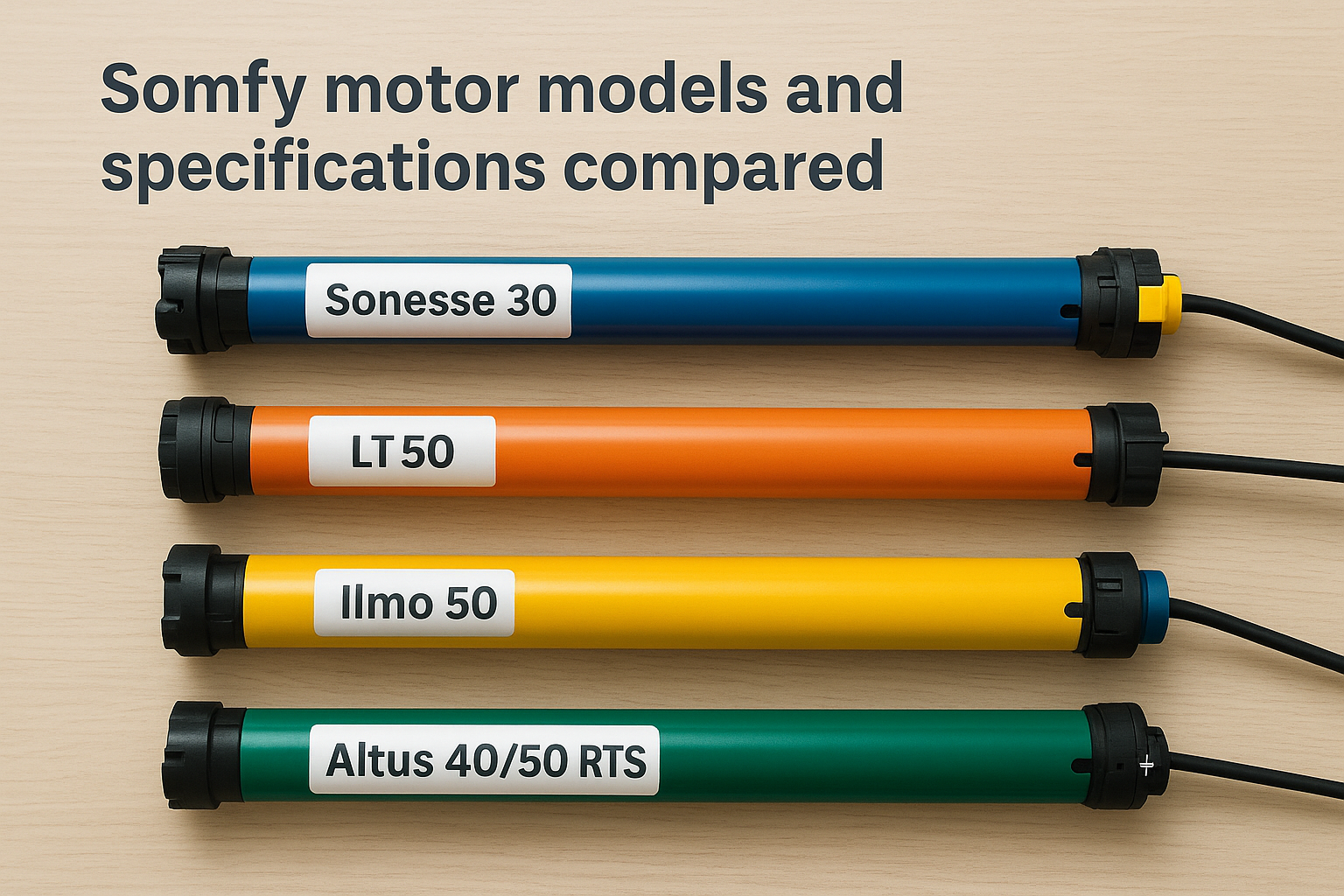
Roller shutter motors come in three basic types, and knowing which one you have saves time during any roller shutter motor repair. Mains-powered tubular motors sit inside the roller tube and connect directly to 240V power. Low-voltage motors run on 12V or 24V through a controller box, using battery backup or solar panels. Wired motors with external gearboxes mount on the side and are common in older commercial installations. Your motor type determines what can go wrong and whether you can safely attempt fixes yourself.
The three common motor configurations
Most Adelaide homes use tubular motors because they’re compact and quiet. These motors have built-in thermal cut-outs that stop operation if overheating occurs, which often feels like complete failure but usually resets within 10 to 15 minutes. Battery-operated systems give you backup power during blackouts but require battery replacements every three to five years. The controller box can fail independently of the motor, so you must test both components.
Battery systems account for roughly 40% of motor failures that turn out to be simple battery or controller faults rather than motor damage.
External gearbox motors are less common today but still operate on thousands of roller doors across industrial areas. These units require different diagnostic steps because the gearbox, motor, and limit switches are separate components that each fail independently.
Step 1. Do basic safety and power checks
You must isolate power before you touch any roller shutter motor repair components. Turn off the circuit breaker that feeds your shutter motor and place a note on the breaker box so nobody accidentally switches it back on while you work. Test the shutter remote or wall switch to confirm zero response before proceeding. This step prevents electric shock and protects the motor from accidental damage during inspection.
Check your power supply first
Start by confirming that power reaches the motor location. Check the circuit breaker in your switchboard to verify it hasn’t tripped. If you have a battery-operated system, remove the controller lid and inspect the battery terminals for corrosion or loose connections. A voltmeter set to DC mode should show 12V or higher on a healthy battery pack.
Most Adelaide homes use standard 240V circuits for mains-powered motors, but battery systems require different diagnostic approaches that start with the battery itself.
For mains-powered motors, visually inspect the wiring at both the motor head and the wall switch. Look for burnt insulation, loose terminals, or water damage inside junction boxes. Never attempt repairs on damaged 240V wiring yourself.
Step 2. Diagnose common motor problems
Once you’ve confirmed safe power conditions, you can identify what’s actually wrong with the motor. Listen carefully when you press the remote or wall switch, because the sound (or lack of it) tells you where the fault lies. Different noises point to specific component failures, and understanding these patterns helps you decide whether you need roller shutter motor repair or a complete replacement.
Listen for specific motor sounds
Your motor reveals its condition through the sounds it makes. A grinding noise indicates worn gears or a jammed curtain putting excessive load on the motor mechanism. Continuous humming without movement means the motor receives power but can’t turn, which often points to a seized gearbox or failed capacitor in mains-powered units. Clicking sounds from battery systems suggest the controller attempts to engage but lacks sufficient power, so check battery charge levels first.
Complete silence when you press the remote indicates either no power reaching the motor or a failed receiver board in the controller. Intermittent operation with random stops and starts usually means thermal overload protection activates repeatedly, which signals either a struggling motor or excessive friction in the guides.
Test the remote and wall switch
Remove any wall switch covers and verify the wiring connections remain tight and corrosion-free. Replace the remote battery even if it seems fine, because weak batteries cause intermittent faults that mimic motor failure. Try operating the shutter from both the remote and wall switch separately to isolate which control system works.
A working wall switch but non-responsive remote confirms the motor itself functions properly and you only need a new remote or receiver.
Check for physical obstructions
Inspect the side guides for debris, bent sections, or paint buildup that prevents smooth curtain travel. Pull the manual release cord (if fitted) to disengage the motor and try moving the shutter by hand. Heavy resistance indicates track problems rather than motor failure, which saves you unnecessary motor replacement costs.
Step 3. Weigh repair versus replacement
Not every motor fault requires a full replacement, and the decision affects your wallet significantly. Minor faults like limit switch adjustments or capacitor replacements cost $150 to $250 in Adelaide, while a complete motor swap runs $600 to $850 including labour. You need to evaluate the motor’s age, the severity of the fault, and whether parts remain available before deciding which path makes financial sense.
When repair makes more sense
Motors under five years old with isolated faults typically justify repair costs because they retain 60% to 70% of their service life. Controller board failures in battery systems, burnt-out capacitors in mains motors, and loose wiring connections all qualify as repairable faults. Physical damage to the motor casing or water ingress raises red flags, but skilled technicians can often salvage these units if internal components remain dry.
Repairing a three-year-old motor preserves your warranty coverage on other shutter components and maintains compatibility with existing remotes and wall switches.
You save money on repairs when the motor brand still manufactures compatible parts and your technician can source them within two business days.
When you need a new motor
Motors older than ten years that show multiple symptoms (overheating plus grinding sounds) indicate end-of-life wear patterns that make roller shutter motor repair uneconomical. Burnt motor windings produce a distinct charred smell and always require replacement because rewinding costs exceed new motor prices. Stripped internal gears, cracked housings, or repeated thermal shutdowns after previous repairs signal that replacement delivers better value than chasing compounding faults.
Step 4. Understand Adelaide repair costs
Getting accurate cost information upfront helps you budget properly and avoid surprises when the technician hands you the invoice. Roller shutter motor repair in Adelaide follows predictable pricing patterns based on the fault type, motor brand, and labour hours required. Most reputable companies quote a fixed price after inspecting the shutter, though some still charge hourly rates plus parts, which can escalate quickly on complex jobs.
Typical service call pricing
Professional technicians in Adelaide charge $120 to $180 for a standard callout that includes diagnosis and minor adjustments like limit setting or remote reprogramming. Motor replacements start at $600 for basic tubular units and climb to $850 or higher for premium brands with built-in obstacles detection. Battery controller replacements cost $180 to $280 including the new unit and programming.
| Repair Type | Parts Cost | Labour | Total Range |
|---|---|---|---|
| Capacitor replacement | $25-$45 | $120-$150 | $145-$195 |
| New tubular motor | $280-$420 | $320-$430 | $600-$850 |
| Battery pack swap | $80-$140 | $100-$140 | $180-$280 |
| Controller board | $110-$180 | $70-$100 | $180-$280 |
These figures reflect 2024 Adelaide metropolitan rates from licensed electrical contractors who carry proper insurance and provide written warranties on parts and labour.
What affects your final bill
Access difficulty adds the biggest cost variable because second-storey shutters require ladders or scaffolding that extend job time by 30 to 45 minutes. Weekend or after-hours callouts attract surcharges of $80 to $150 on top of standard rates. Older motors that need obsolete parts force technicians to order custom components, which delays completion and increases total costs by 20% to 40%. You pay less when multiple shutters need attention during one visit because the technician spreads travel time across several repairs.
Next steps for your roller shutters
You now understand how to diagnose motor problems, when to attempt fixes yourself, and what professional roller shutter motor repair costs in Adelaide. Start with the basic safety checks to rule out simple power supply issues before assuming the motor has failed. Test your remote batteries and inspect visible wiring connections, because these quick wins solve 30% to 40% of reported motor faults without any repair costs.
If your diagnosis points to motor replacement or you’re uncomfortable working with electrical components, professional help protects your investment and ensures compliance with Australian electrical standards. Licensed technicians complete most motor swaps in under 90 minutes and provide written warranties that DIY attempts can’t match.
Contact Roller Shutter Repairs Adelaide for fast service across all Adelaide suburbs. Our experienced team handles everything from minor adjustments to complete motor replacements, with no call-out fees and transparent pricing. We’ll diagnose the problem accurately and recommend the most cost-effective solution for your specific situation.