Roller Shutter Noise Reduction: How Much Can You Expect?
Looking to quieten traffic, barking dogs or early-morning works outside? Roller shutter noise reduction simply means using the shutter as an extra barrier on the window to cut how much outside sound gets in. By adding mass, creating a cavity in front of the glass and tightening up leaky gaps around the frame, a well‑fitted shutter can noticeably lower airborne noise. It won’t “soundproof” a room, but it can take the harsh edge off the din so sleep, study and conversations feel calmer.
In this guide, we set clear expectations on how much noise reduction you can realistically get from roller shutters, explain the difference between flashy percentage claims and decibels, and show the factors that make the biggest difference: window size, materials, sealing and installation. We’ll compare shutters with double glazing, blinds and plantation shutters, outline when shutters are the right choice (and when they’re not), the features to prioritise, how to layer solutions for quieter results, how to fix rattly shutters, and what repair or upgrade options look like for Adelaide homes and businesses—plus typical costs and timelines.
How roller shutters reduce noise
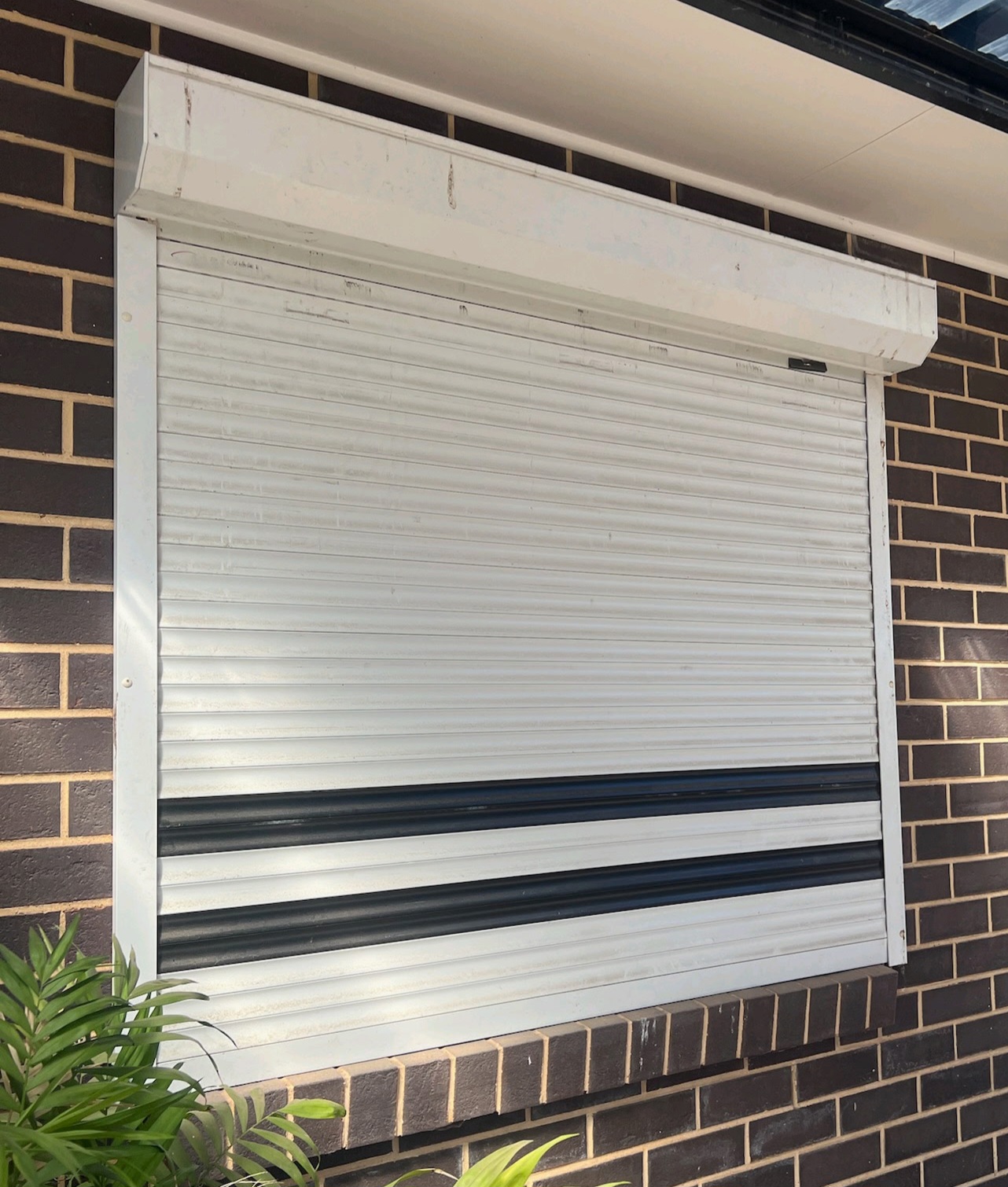
Roller shutters cut noise by adding a dense aluminium “curtain” in front of the glazing, creating a second barrier with an air gap that disrupts sound transmission. Insulated, double‑wall slats filled with polyurethane foam help damp vibration and absorb some sound energy, while tight side guides and a closed bottom rail reduce flanking paths. The biggest gains come from airtight installation—sealing the head box and guides to the wall with silicone and ensuring the curtain sits snugly to the sill to prevent leaks and rattles. Because aluminium and glass block different frequencies, the layered system broadens overall noise reduction.
How much noise reduction can you expect?
Roller shutter noise reduction varies widely. Some manufacturers publish “up to 80%” figures when the shutter, guides and head box are thoroughly sealed and the rest of the room has minimal air gaps, while other industry guides quote “up to 50%” reductions. In reality: the headline numbers are possible, but only in ideal conditions. Any gaps around the frame or leaky windows will noticeably cut performance.
What does that feel like day to day? With a quality, well‑sealed shutter you’ll take the sting out of traffic and construction noise and push busy-street sounds into the background. You’ll still hear sharp, loud events, but they’ll be softened and more distant. Think calmer sleep and fewer distractions, not absolute silence.
Decibels vs percentages: make sense of noise reduction claims
Brands often quote “up to 80%” or “up to 50%” noise reduction, but percentages are marketing shorthand and don’t tell you how it will sound at home. Decibels (dB) are the proper measure and use a logarithmic scale: small dB drops can feel significant, while “percentage” claims can be inflated by perfect test conditions and heavy sealing of the shutter, guides and head box. To compare apples with apples, ask for the test detail behind the headline.
- Ask for dB data: What was the before/after dB with shutter up vs down?
- Check the setup: Were the head box and side guides silicone‑sealed and the bottom rail snug?
- Window specifics: What window size/type was tested?
- “Up to” vs typical: Is the figure a best‑case claim or an average result?
- Whole‑room leakage: Were other air gaps in the room addressed, or only the window?
What really affects results: window size, materials, sealing and installation
Real‑world roller shutter noise reduction comes down to the basics: how big and exposed the window is, how much mass and damping the curtain provides, and how airtight the install is. Even the best curtain underperforms if the head box, guides or sill leak air—or if the room itself is full of gaps that bypass the window altogether. Another factor is the noise itself.
- Window size and exposure: Large, street‑facing panes bring the biggest absolute gains, but they demand meticulous sealing to prevent flanking noise.
- Slat construction and thickness: Double‑wall aluminium slats with polyurethane foam damp vibration and block more sound; thicker‑gauge “noise” models perform best.
- Head box and guide sealing: Silicone between the head box/guides and the wall meaningfully lifts results by closing common leak paths.
- Bottom rail and side‑guide fit: A snug close into the sill and tight guide tolerances cut rattles and stop air gaps that carry sound.
- Whole‑room leakage: Gaps in frames, vents and adjoining rooms can halve the perceived benefit; seal these to realise “up to” claims.
- Layering with glazing/soft furnishings: Pairing shutters with double or laminated glass (different frequencies blocked by glass vs aluminium) or heavy curtains broadens the reduction.
- Installation quality and upkeep: Plumb guides, correct tolerances and periodic maintenance prevent metal‑on‑metal noise and preserve the seal over time.
Roller shutters vs double glazing, blinds and plantation shutters
Choosing the right solution depends on the type of noise and how you use the room. Exterior roller shutters add a barrier and air gap in front of the glass, double glazing upgrades the window itself, while internal coverings (blinds and plantation shutters) mainly tame reflections inside the room.
- Roller shutters: Strong external noise cut when well sealed; best for traffic and construction; block daylight when fully closed.
- Double glazing: Reduces both external noise entering and internal noise escaping; keeps natural light; permanent window upgrade.
- Honeycomb/“Duette” blinds: Good for sound absorption and reducing echo; modest actual sound blocking; best among blinds.
- Plantation shutters: Some noise moderation (aluminium models marketed for this), but they’re internal and not a sealed barrier like external shutters.
When shutters are the right choice (and when they’re not)
Choose roller shutters when your main issue is external noise at the window—traffic, construction or neighbours—and you’re happy to close them during noisy periods. They add security, blackout and thermal benefits, and when well sealed, roller shutter noise reduction can be substantial. If you need daylight and two‑way noise control all day, double glazing is usually the better primary upgrade, with blinds helping more with echo than blocking sound.
- Right for: Busy streets, shift‑sleepers, media rooms, blackout plus security.
- Not ideal for: Daylight‑critical rooms; situations where you mainly need to stop sound leaking out (double glazing suits this better – but this is very costly).
- Preconditions: Seal window/room gaps first; poor sealing undermines results.
Features and installation details to prioritise for quieter results
For real‑world roller shutter noise reduction, prioritise mass, damping and airtightness, then make sure the install removes obvious leak paths. The goal is a dense, well‑damped curtain, tight side control and fully sealed interfaces at the head box, guides and sill so outside noise can’t “flank” around the shutter into the room.
- Thicker, insulated slats: Double‑wall aluminium with polyurethane foam for added mass and vibration damping.
- Tight side guides: Precisely plumb guides with correct tolerances to avoid gaps and prevent rattles.
- Seal the interfaces: Silicone between head box/guides and the wall, and a snug bottom rail to the sill.
- Accurate measuring: Custom sizing that minimises daylight and air gaps around the curtain.
- Clean, maintained tracks: Debris‑free guides maintain smooth travel and the seal over time.
- Room leakage check: Ask your installer to identify and seal other nearby gaps that could bypass the shutter.
How to maximise noise reduction at home by layering solutions
Big results come from stacking barriers: a well‑sealed exterior shutter plus better glazing, airtight frames and sound‑absorbing finishes. Because aluminium (shutter) and glass block different frequencies, combining them broadens the overall reduction. Tackle the easy air‑leak fixes first, then add mass and absorption so less noise gets in and whatever does enter is softened inside the room.
- Seal the leaks: Acoustic silicone around window frames, sills, and architraves; close gaps at the head box and guides.
- Upgrade the glass: Laminated or double glazing (or a removable secondary panel) complements shutters for broader frequency control.
- Add absorbers inside: Heavy lined curtains or honeycomb blinds reduce echo and tame residual noise.
- Soften the room: Rugs, bookshelves and upholstered furniture cut reflections.
- Treat flanking paths: Door seals, adjacent wall gaps and vents (improve without compromising safe ventilation).
- Use shutters smartly: Drop them during peak noise; partial closure balances quiet with daylight.
Troubleshooting: fixing rattles and noisy roller shutters
If your shutter rattles, it’s usually metal‑on‑metal contact in the side guides or head box. The fix is about cleaning, alignment and replacing worn parts. Start here; if the noise persists after these steps, it’s time for a professional service.
- Clean the tracks: Wash the side guides and curtain; in windy areas, clean every 3–4 months.
- Lubricate correctly: Lightly lube the guides with an anti‑static spray (avoid silicone‑based; it attracts dust and dirt).
- Check guides/clips: Look for misaligned or worn guides and replace anti‑rattle clips/inserts where needed.
- Set tension safely: For manual shutters, have the spring tension checked; persistent grinding or jerky travel—stop and call a technician.
Repair, upgrade or replace? Options for Adelaide homes and businesses
In Adelaide, you don’t always need new shutters to get quieter rooms. If rattles or leak paths are the problem, a targeted repair and reseal can restore roller shutter noise reduction without the cost of replacement. When the curtain is sound but performance is lacking, smart upgrades can lift results; full replacement is last resort for badly corroded, warped or poorly sized systems.
- Repair (fast, cost‑effective): Clean/realign guides, replace worn clips/inserts, fit a new bottom seal, silicone‑seal the head box and side guides, adjust spring/motor limits.
- Upgrade (more quiet without starting over): Motor replacement or manual‑to‑electric conversion for a tighter close, swap to thicker foam‑filled slats, add brush/acoustic seals, draught‑proof adjoining frames; consider layering with better glazing.
- Replace (when the bones are bad): New custom‑measured shutter with thicker insulated slats, tight‑tolerance guides and professional silicone sealing for maximum airtightness.
Local technicians with over 40 years’ experience service homes and businesses across metro Adelaide, the Hills and Barossa—no call‑out fees and rapid response.
Costs, timelines and what to expect in Adelaide
If you’re chasing quieter rooms from your shutters, the total outlay hinges on whether you’re repairing, upgrading or replacing, plus window size, slat construction (thicker insulated profiles cost more), motor type and the scope of sealing work. Repairs and reseals are usually the most cost‑effective path to better roller shutter noise reduction; full replacements are a larger investment because they’re custom‑made. Expect fast response across Adelaide, the Hills and Barossa with no call‑out fees, and a straightforward process:
- On-site assessment: Diagnose noise sources and leak paths.
- Quoted options: Repair/reseal, upgrade (e.g., thicker slats, motor), or replace.
- Works scheduled: Many fixes are completed in one visit; made‑to‑measure installs require a fabrication window.
- Final checks: Smooth travel, snug close, silicone‑sealed interfaces, and use tips for quieter operation.
Key takeaways
Done right, roller shutters deliver meaningful relief from traffic and construction noise. Treat “up to 80%” as best‑case with airtight installs and minimal room leakage; in typical homes, results nearer “up to 50%” are more realistic. Decibels matter more than marketing percentages. Shutters excel for external noise and blackout; double glazing controls noise both ways while keeping daylight. Layer the two, seal leaks, and maintain guides to keep performance high. Often, repairs and resealing beat full replacement for value.
- Prioritise build and sealing: Thicker, foam‑filled slats plus tightly sealed head box and guides.
- Layer smartly: Pair with laminated/double glazing and heavy curtains to widen frequency coverage.
- Fix rattles early: Clean/align guides and replace worn clips and seals to preserve quiet.
For quick, no‑nonsense repairs, upgrades or new installs in Adelaide, talk to Roller Shutter Repairs Adelaide.