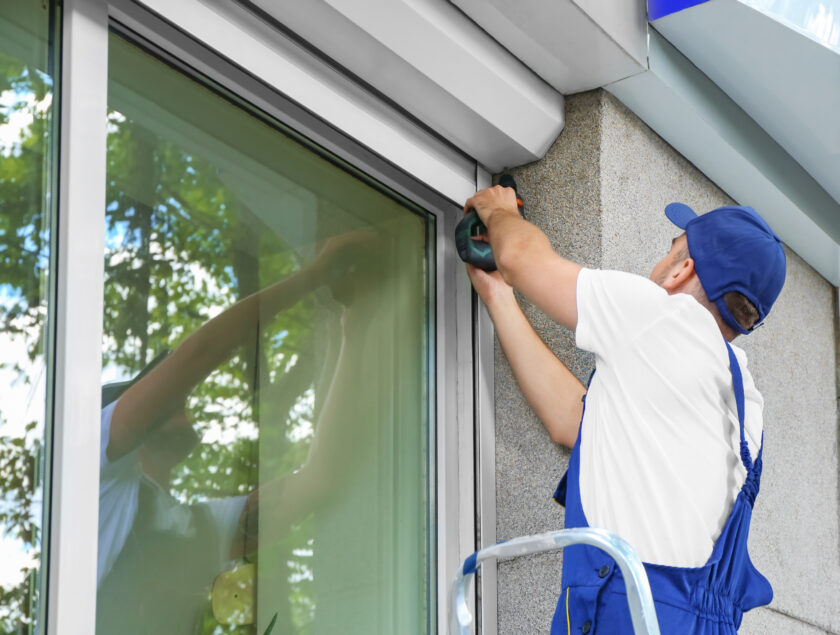
24/7 Roller Shutter Emergency Call Out Services In Adelaide
You’re locking up the shop after a long day when your roller shutter grinds to a halt, stuck halfway down and refusing to budge. Maybe it’s the early hours of the morning and your garage roller door won’t close, leaving your home exposed just when you need security the most. It’s moments like these—outside regular business hours, when safety and peace of mind are on the line—that demand swift, expert help.
Sudden roller shutter failures don’t just disrupt your routine; they put your property, stock, or family at risk. The stress is real, but so is the solution. With over two decades of hands-on experience, Roller Shutter Repairs Adelaide is your go-to local team for rapid, reliable 24/7 emergency call-outs. Whether it’s a jammed mechanism, a faulty motor, or urgent repairs after an attempted break-in, our technicians are on standby across every Adelaide suburb, Adelaide Hills and Barossa Valley—charging no call-out fees, ever.
This guide takes you step by step through what to do when you’re faced with a roller shutter emergency. From immediate safety precautions and documenting the fault, to getting fast, professional support and understanding what happens next, you’ll find everything you need to navigate the situation with confidence. Let’s get your shutters—and your security—back on track.
Step 1: Recognise When You Need Emergency Roller Shutter Assistance
An emergency roller shutter issue is any problem that poses a security, safety or operational threat to your property. What is classed as an emergency call out? In general, it’s any fault affecting your health and safety, or one that could seriously damage your home or business if it’s not dealt with immediately. When it comes to roller shutters, think broken locks, a shutter stuck half-open, exposed wiring or visible structural damage—these aren’t jobs to leave until Monday morning.
By recognising an emergency early, you can minimise risks like water ingress, unauthorised entry or injury. Below are some of the most common scenarios that call for an urgent response from a qualified technician.
Common Emergency Scenarios
- Jammed shutter blocking entry/exit
A shutter that won’t budge can trap people inside a garage or shopfront, or leave valuables exposed when it won’t close. - Sudden power or motor failure at odd hours
If the motor stops working in the dead of night, you’re left vulnerable until help arrives. - Impact damage from vehicles or vandalism
A collision or attempted break-in can bend slats and tracks, compromising security and letting the elements in. - Mechanical breakdowns causing safety hazards
Broken springs, snapped straps or warped tracks may create pinch points or risk a falling shutter.
Emergency vs Routine Issues
Not every shutter hiccup is an emergency. Here’s a quick comparison to help you decide whether to call for immediate assistance or book a scheduled service:
| Issue Type | Response Time | Call-Out Fee | Example |
|---|---|---|---|
| Emergency | Within hours | No call-out fee | Shutter stuck half-open after impact |
| Routine Maintenance | Scheduled at your convenience | N/A or standard fee | Annual lubrication and track alignment |
Emergencies demand immediate action and no call-out fees with Roller Shutter Repairs Adelaide, while routine fixes—like noisy rollers or minor wear and tear—can be planned during regular business hours via our roller shutter repairs. Knowing the difference ensures you get the right help, right when you need it.
Step 2: Prioritise Safety and Secure the Area
When a shutter misbehaves, it’s tempting to wrestle with it straight away—especially if you’re worried about break-ins or the weather. Before anything else, pause and put safety first. An unsecured or powered-up roller shutter can cause serious injury if a spring snaps or the door suddenly falls. Follow these simple precautions to keep everyone out of harm’s way until help arrives.
Safety Checklist:
- Switch off the main power supply to the shutter motor
- Keep bystanders, children and pets at least two metres away
- Avoid forced opening if you’re unfamiliar with the mechanism or override system
Safe Power Isolation
Cutting the power to your shutter stops any unexpected movement. Here’s how to do it properly:
- Locate the circuit breaker or isolator labeled for the roller shutter motor—often found in the main switchboard or a nearby utility cupboard.
- Flip the switch to the “off” position. If the breaker isn’t clearly marked, turn off the entire circuit to err on the side of caution.
- Place a piece of tape or a printed notice on the breaker to remind anyone else that work is in progress.
Once the power is isolated, test the shutter control to confirm that there’s no electrical current. If the shutter still moves, retreat to a safe distance and wait for the technician.
Using the Manual Override
If you need to clear an entry or exit and the power is off, the manual override lets you operate the shutter by hand. Here’s a typical process:
- Find the override slot: usually located by the motor housing or along the bottom rail of the shutter. It may be hidden behind a small cover—unscrew or pop it open gently.
- Insert the detachable crank handle into the override slot, ensuring it fits snugly.
- Turn the handle slowly and steadily, guiding the shutter up or down at a controlled pace.
Never force the crank or rush the process—over-spinning can damage the gears or strip the override mechanism. If the shutter still jams or you can’t locate the override, step back and wait for our qualified technicians to arrive.
Step 3: Document the Fault for Faster Diagnosis
Before our technicians arrive, gathering clear evidence of your shutter’s fault can shave time off the repair and help us bring the right tools and parts first time. Photos and short video clips give us an instant snapshot of the issue—saving you waiting and avoiding extra call-outs. A few quick images or recordings on your smartphone will set the stage for a speedy diagnosis.
Here’s what to capture:
- The shutter’s overall position: fully open, closed, or stuck mid-way
- Close-up shots of any visible damage: dented slats, twisted tracks or broken springs
- Videos of the shutter in action: grinding sounds, sudden stops or flickering LEDs
- Any exposed wiring, rusted components or signs of water ingress
Smartphone tips:
- Use natural or bright room lighting—avoid shadows that hide details
- Hold your device steady or prop it against a solid surface to prevent blurring
- Shoot from multiple angles: front-on, side-views and from below or above if safe
- Label files on your phone (“Front-view”, “Track-damage”, “Motor-noise”)
Documenting these details speeds up our assessment and helps us come prepared with the correct replacement parts and safety gear.
Photographing Structural Damage
When it comes to dents, bent tracks or warped slats, clear close-ups are essential. Position your camera about 30–50 cm from the area, focus on the edge where paint is chipped or metal is buckled, and take at least two shots from slightly different angles. If the track is misaligned, include a full-height photo so we see how far off-centre it sits.
Recording Motor or Electrical Issues
For buzzing motors or blinking control panels, video is your best friend. Start recording from a safe distance—ideally outside the shutter’s swing radius—so you capture the full sound and any light indicators. If you spot sparks, hold your phone back and zoom in rather than getting too close. A 5–10 second clip showing the noise or flicker is usually more than enough for our technicians to pinpoint the problem.
Step 4: Review Your Service Agreement and Warranty Cover
Before you pick up the phone, take a moment to check any existing service agreements or warranties on your roller shutter. Many maintenance plans provide dedicated emergency provisions—perhaps a capped number of after-hours call-outs or discounted labour rates. On the other hand, standard warranties often focus solely on manufacturing defects and may exclude wear-and-tear or accidental damage. By understanding what’s already covered, you’ll know exactly what to expect on the day your technician arrives.
At Roller Shutter Repairs Adelaide, we believe transparency is key. That’s why we offer true 24/7 emergency response across every Adelaide suburb, including the Hills and Barossa Valley—with no call-out fee attached. Whether it’s 3 am on a Sunday or a public holiday, you won’t pay extra just to have us on site. Compare that with many after-hours providers who levy a surcharge of $150–$200 for the privilege of immediate service, and the savings speak for themselves.
Knowing the fine print in your agreement can also prevent surprises when evaluating repair costs. If your current plan charges parts and labour at elevated rates once the warranty expires, you might find our up-front pricing and inclusive call-out policy a welcome change. Use this step to weigh your options: keep your existing cover if it’s genuinely cost-effective, or make the switch to a provider whose emergency terms work harder for you.
Benefits of No Call-Out Fee
- Eliminates unexpected $150–$200 after-hours charges
- Allows immediate access to qualified technicians, day or night
- Simplifies budgeting: you only pay for the work done, not the time of day
- Applies across all Adelaide suburbs, Adelaide Hills and Barossa Valley
Warranty Inclusions and Exclusions
- Inclusions:
• Manufacturing defects in motors, springs and electrical controls
• Faulty components within the specified warranty period
• Labour on covered repairs (where detailed in the plan) - Exclusions:
• Damage from vehicle impact, vandalism or extreme weather
• Wear-and-tear items such as straps and tracks beyond their service life
• Unapproved modifications or DIY alterations
• Call-out or labour surcharges outside normal operating hours (unless explicitly stated)
By clarifying what’s in and out of scope, you’ll avoid unwelcome surprises on the invoice. If you’re in any doubt about your cover, our team can review your plan and explain how our no-call-out-fee emergency service stacks up against typical after-hours rates in Adelaide.
Step 5: Gather Essential Shutter Details
Before you pick up the phone, having key information at your fingertips ensures a faster response and a spot-on quote. Jot down the following details so our technicians arrive fully briefed and armed with the right parts:
- Full property address, including your suburb and any access notes (e.g. “rear lane entry”).
- Shutter type—manual or electric, insulated or single-skin, residential or commercial.
- Brand, model number and approximate age of the shutter or motor (often found on a label or sticker).
- A concise description of the fault: any unusual sounds, error codes on the control panel, or irregular behaviour.
If you’re unsure about your shutter’s configuration, our shutter options page outlines common types and features to help you identify yours.
Identifying Shutter Model
Finding the brand and model saves time on-site. Most electric shutters carry a manufacturer’s sticker on the motor housing or control box—lift any small panel beside the switch or look for a metal tag near the curtain drum. If you can, snap a clear photo of the label: it helps us verify part compatibility before we arrive.
Describing the Fault Clearly
When you explain the problem, specifics matter. Instead of saying “it won’t work,” try “it stalls halfway when closing” or “motor buzzes then cuts out.” Note whether the issue is constant or intermittent, and mention any patterns—like failure only in cold weather or after a power surge. Precise details mean we diagnose and resolve the fault much more efficiently.
Step 6: Contact Roller Shutter Repairs Adelaide
Once you’ve secured the area and gathered all the necessary details, it’s time to get professional help on the way. Roller Shutter Repairs Adelaide offers a true 24/7 roller shutter emergency call out service—no matter the hour, our local technicians are ready to respond. You can reach us by phone for the fastest possible dispatch, or send through an online enquiry if you’d like to attach photos and further details.
Our 24/7 Emergency Hotline
Phone: 08 7123 4567
Email: emergency@rollershutterrepairsadelaide.com.au
Placing a Call for Immediate Dispatch
Calling by phone is the quickest way to secure a same-hour response. When you ring our hotline, you’ll be put straight through to a trained dispatcher—no call centre scripts, no waiting music. To speed things along, try to have the following information ready:
• Your full property address (including any access notes)
• Shutter type (e.g. electric insulated, manual commercial)
• Brand and model (if known)
• A brief description of the fault (“Jammed halfway closing with a grinding noise”)
Sample call script:
“Hi, I’m Sarah at 12 Gordon Street, Norwood. My electric roller shutter is stuck halfway down and making a loud grinding noise. It’s a five-year-old Somfy motor. Can you send someone out now?”
Our dispatcher will confirm your details, provide an estimated arrival time and dispatch a technician with the right tools and parts.
Submitting an Online Emergency Enquiry
If you’re able to share photos or video clips of the fault, our online form is a great alternative. Head to our contact page and select “Emergency Call-Out” from the service dropdown. Then:
- Enter your name, address and best contact number
- Describe the issue in the message box (include shutter type and symptoms)
- Attach up to four images or a short video illustrating the fault
- Choose your preferred time window—our dispatch team will confirm availability
- Hit “Submit” and you’ll receive an automated confirmation with your reference number
A member of our team will follow up immediately to verify details and guarantee a swift response. Whether by phone or web, communicating clearly all the information you’ve collected ensures we can get to you faster and fix the problem right first time.
Step 7: What to Expect When Technicians Arrive
After you’ve placed your emergency call, our dispatch team confirms the technician closest to your area—Adelaide Metro, Hills or Barossa Valley—then gives you an estimated arrival time, typically within a few hours. We understand urgency, so we keep you informed if traffic or other jobs affect our schedule.
When the technician arrives, you’ll recognise them by their Roller Shutter Repairs Adelaide uniform, high-visibility gear and official photo ID badge. They’ll greet you, confirm your name and address, and quickly recap the shutter fault you described. This friendly introduction ensures everything’s in order before work begins.
Next comes an initial on-site assessment. Our technician will verify the power isolation, scan for safety hazards around the shutter opening and perform preliminary diagnostics—testing control panels, manual override operation and inspecting visible components. This thorough check lets us pin down the root cause without delay.
If the shutter condition demands it, we’ll apply a temporary solution to secure your property—propping the door open or closed, fitting a makeshift lock or sealing any weather gaps—so you’re safe until a permanent repair. We’ll always discuss these interim measures and arrange any follow-up work before we leave.
On-Site Safety Checks and Diagnostics
Safety underpins every inspection. Our technician will:
- Reconfirm that the motor circuit is isolated and clearly labelled
- Examine track alignment, rollers and guides for signs of binding or wear
- Inspect springs, belts and straps for fatigue, corrosion or breakage
- Run electrical tests on the motor and control panel to detect wiring or component faults
- Assess any structural damage—dents, bent slats or loose fixings—for immediate risk
These checks allow us to decide whether a simple adjustment will suffice or if parts replacement is necessary.
Temporary vs Permanent Fixes
Depending on findings, you’ll see one of two approaches:
- Temporary Fix: For urgent security, we might secure the shutter in a safe position, fit a temporary brace or apply weather-proof sealing. This keeps your premises protected while we source the correct parts.
- Permanent Repair: Once the right components arrive, we return to replace motors, realign tracks, renew springs or swap slats—restoring your shutter to full, long-lasting performance.
Before any permanent work begins, you’ll receive a clear explanation of recommended repairs and a transparent quote. That way, you know exactly what to expect—no surprises, just reliable expertise.
Step 8: Understanding the Emergency Repair Process
Once our technicians have assessed your shutter and secured the area, they’ll move straight into the emergency repair phase. The goal is to restore functionality quickly using proven techniques and high-grade components, so your property remains secure and operations resume without delay. From replacing a faulty motor to realigning bent tracks, each task follows a systematic approach: diagnose, isolate, repair and test. Below is an overview of the most common repairs you might see on site.
Electrical and Motor Repairs
Electric roller shutters rely on motors and control circuits that can fail under load, wear or power surges. Here’s how we tackle these issues:
- Power Isolation and Safety Checks
• Confirm the circuit is de-energised and the isolator is tagged
• Use a multimeter to verify zero voltage at the motor terminals - Motor Removal and Replacement
• Detach the motor from its mounting bracket and curtain drum
• Remove the old motor assembly and inspect gearboxes for collateral damage
• Fit a new, industry-approved motor unit with the correct torque rating - Electrical Resets and Rewiring
• Replace damaged control boards or limit-switch assemblies
• Re-route any chafed wiring and secure with cable ties or conduit
• Reconnect live, neutral and earth conductors following manufacturer wiring diagrams - Functional Testing
• Run multiple open/close cycles at low speed to ensure smooth operation
• Calibrate the automatic limits and safety sensors
• Verify manual override works correctly in event of future power loss
On-site motor swaps usually take between one and two hours, depending on the shutter size and access. Throughout, we use genuine replacement parts that meet or exceed original equipment specifications.
Mechanical Component Repairs
Mechanical faults—springs, straps, tracks and slats—can stop a shutter in its tracks or pose safety hazards. Our process covers:
- Track Realignment and Lubrication
• Loosen guide-rail fixings, straighten the track using a spirit level
• Tighten fastenings and apply a corrosion-resistant lubricant to rollers and tracks - Spring and Strap Replacements
• Release tension safely using rated tools before removing the broken spring or strap
• Fit a new spring or strap of the correct gauge, then re-tension to match door weight - Winder Assembly Repairs
• Inspect the gearbox for worn gears or cracked drums
• Replace or rebuild the winder mechanism to guarantee reliable manual operation - Bent-Slat and Curtain Repairs
• Remove damaged slats and replace with matching profiles, ensuring seamless curtain integrity
• Align the repaired curtain in the barrel drum and secure end locks
Most mechanical fixes can be completed in under an hour, though more extensive spring or slat work may require a follow-up visit if bespoke parts must be ordered. Regardless, any temporary measures—such as bracing a shutter open or closed—are clearly explained and logged, so you know exactly when and how the permanent repair will finish the job.
By following these structured steps, our team ensures that every emergency repair is safe, efficient and long-lasting. You’ll receive a comprehensive rundown of the work performed, alongside advice on preventing similar issues in the future—because prompt fixes should also be permanent ones.
Step 9: Ensuring Compliance with Licensing and Safety Standards
When you summon help for a roller shutter emergency call out, it’s vital that the team on site meets all regulatory and safety standards. In South Australia, electrical work—like motor replacements or wiring repairs—must be carried out by a licensed contractor. Likewise, installations and structural work must comply with the national standards for roller shutters. Ensuring your technicians are properly credentialled and operating to the correct codes not only keeps everyone safe but also protects your warranty and insurance.
Licensed electrical contractors in SA need to satisfy the requirements set out by the state government. You can read more about the specifics on the South Australian licensing requirements for electrical contractors, but the key points are:
- A valid contractor’s licence showing the required net-asset threshold has been met
- A current National Police Certificate to confirm a clear background check
- Photo identification and registration details for any apprentices on the job
Meanwhile, every roller shutter installation and major repair must align with AS/NZS 4505:2012. This standard governs performance and safety, covering everything from wind-loading to impact resistance. You can review the full requirements in the AS/NZS 4505:2012 standard, which outlines:
- Structural load classifications and appropriate wind-rating designations for your region
- Installation procedures that ensure the shutter head, guides and curtain are fitted securely
- Performance tests for shutter operation, safety sensors and manual overrides
Adhering to these licensing rules and standards isn’t just paperwork—it means you’ll have peace of mind that the repair work is done safely, legally and to the highest quality. Technicians who meet these criteria are more likely to carry the right insurances, follow safe work practices and honour manufacturer warranties on parts and labour.
Verifying Contractor Credentials
Always ask to see your technician’s licence number and photo ID upon arrival. Then you can:
- Cross-check their licence on the SA government’s online register
- Request proof of a current National Police Certificate, especially for after-hours call outs
- Confirm any apprentices are listed under a qualified supervisor’s registration
A genuine licence will display the holder’s name, licence class and expiry date—if any of these are missing or out of date, ask for clarification or contact the licensing body before proceeding.
Importance of AS/NZS 4505 Compliance
Shutters installed or repaired to AS/NZS 4505:2012 standards deliver reliable performance under wind pressure and heavy use. Key safety features include:
- Correctly rated components for local wind loads, reducing the risk of curtain failure in storms
- Impact-resistant guides and safety stops to prevent the door from derailing
- Strict testing of sensors and manual releases, ensuring the shutter won’t trap fingers or belongings
By choosing a team that commits to these benchmarks, you’re safeguarding your property against future failures and maintaining any existing warranties attached to the shutter system.
Step 10: Follow-Up Maintenance to Prevent Future Emergencies
Regular maintenance is your best defence against unexpected roller shutter failures. Even the sturdiest shutters benefit from routine attention—catching small issues early prevents major breakdowns and enhances security. We recommend booking a professional service every six to twelve months to keep springs, motors and tracks in top condition.
Between professional visits, simple DIY checks can make a world of difference. Clearing debris, lubricating moving parts and testing safety features stops minor wear from turning into an emergency. Combine these quick tasks with an annual service from Roller Shutter Repairs Adelaide, and you’ll enjoy smoother operation, reduced downtime and fewer repairs overall.
DIY Inspection Checklist
- Clear tracks of dirt and debris monthly to ensure smooth curtain travel
- Lubricate rollers, springs and bearings quarterly using a light, corrosion-resistant spray
- Test the manual override and emergency release annually to confirm reliable operation
- Inspect slats and guides for signs of rust, dents or loose fixings every three months
- Check control panels or wall switches for secure mounting and crack-free wiring
Professional Maintenance Packages
Roller Shutter Repairs Adelaide’s maintenance plans deliver peace of mind and tangible savings:
- Priority emergency call-out slots reserved for maintenance clients
- Discounted labour rates and parts pricing compared with standard emergency tariffs
- Comprehensive annual safety inspection report, detailing component wear and recommended works
- Scheduled lubrication, alignment checks and motor diagnostics as part of each visit
- Dedicated account manager to review service history and plan future maintenance rounds
With a tailored maintenance plan in place, you’ll sidestep many common shutter issues—keeping your home or business secure, efficient and ready for whatever’s around the corner.
Step 11: Estimating the Cost of an Emergency Call-Out Service
When a roller shutter emergency hits, the last thing you want is invoice sticker shock. At Roller Shutter Repairs Adelaide, we’ve stripped out call-out fees completely—so you only pay for the actual work done and the parts used. To give you a clear picture, here’s a breakdown of the typical costs you might encounter for emergency repairs in Adelaide.
Labour and parts prices vary with the job’s complexity and timing. Daytime rates are generally lower than after-hours tariffs, and high-value components such as motors command a higher price than springs or slats. Ballpark figures are as follows:
- Labour (daytime Mon–Fri 7 am–4 pm): $130–$200 per hour
- Labour (after-hours, nights or weekends): $200 –$250 per hour
- Replacement motor units: $600 –$900 (depending on brand and torque rating)
- Springs and straps: $45–$145 per pair (size and grade dependent)
- Track or slat replacements: $30–$75 per metre or per slat
Local Call-Out Fee Comparison
| Provider | Call-Out Fee | After-Hours Labour Rate | Parts Surcharge |
|---|---|---|---|
| Roller Shutter Repairs Adelaide | $0 | $130–$200per hour | At cost |
| Typical Adelaide Competitor | $100–$200 | $150–$300 per hour | 10–25% parts markup |
By removing call-out fees and marking parts at cost, we keep your emergency repair expenses fair and transparent.
Getting a Transparent On-Site Quote
Our technician will always review the shutter fault on arrival and provide a fully itemised quote before any permanent work begins, unless it is a simple task and a verbal quote has been give. And you have invited us out to repair it. This breakdown details labour hours, parts required (with individual prices) and any additional materials. You decide what goes ahead—no hidden charges, no surprises. That’s how we ensure you understand every dollar spent on restoring your roller shutter to full working order.
Next Steps to Secure Your Property
When you’re facing a roller shutter emergency call out, every minute counts. A jammed or damaged shutter can leave your home or business exposed to the elements, opportunistic intruders or further mechanical harm. Acting swiftly ensures you minimise downtime and restore the security barrier that protects your assets and loved ones.
Don’t leave it to chance—contact the experts at Roller Shutter Repairs Adelaide as soon as you spot a problem. Our 24/7 hotline (0414611662) is staffed by local technicians ready to dispatch the right team to your address, no matter the hour. If you’ve already gathered photos or videos of the fault, you can also submit an online emergency enquiry—simply head to our homepage and click “Emergency Call-Out” to upload your details and media for immediate review.
Whether it’s a forced repair to get you through the night or a permanent solution before the next business day, we’re here to secure your property fast. Visit Roller Shutter Repairs Adelaide now and lock in your emergency call out for peace of mind you can count on.