How to Fix Roller Shutters: A DIY Guide for Adelaide Homes
Roller shutters are some of those unsung heroes of home security and comfort. Roller shutters not only block the heat during summer but also the cold during winter and any strangers throughout the year.
But like anything mechanical, they can jam, squeak, or refuse to budge exactly when you need them most. Fortunately, most homeowners can learn how to fix roller shutters yourself with just a few basic tools and a bit of patience, saving both time and money along the way.
If you have been searching for a reliable roller shutter repair guide for homeowners, you are in the right place.
Why Roller Shutters Give Trouble in the First Place
The temperature in Adelaide fluctuates between hot summers and cold winters, which creates strain on the shutter parts. Dust, sand, and salty air from the coastline tend to get inside the tracks and mechanisms.
Common issues homeowners run into include:
- Shutters getting stuck halfway up or down
- Slats that rattle or feel loose
- Motors that hum but do not move the shutter
- Remote controls that stop responding
- Tracks that are bent, dirty, or misaligned
Understanding what is causing the problem is the first step in any successful DIY roller shutter repair Adelaide homeowners attempt.
Step 1: Inspect Before You Touch Anything
Before reaching for tools, take a good look at the entire shutter system.
- Check the tracks on both sides for debris, bent metal, or misalignment
- Look at the slats for cracks or warping
- Listen closely to the motor if you have an electric shutter
- A humming sound with no movement usually points to a different issue than complete silence
It is always a good idea to take some pictures of the system before starting work on it. This will help you see if there were any changes made during assembly.
Step 2: How to Fix a Stuck Roller Shutter
Blocked shutters are the most common problem, and fortunately, one of the easiest to solve.
1. Cut the power first
If it’s an electric one, unplug it for your own safety and also because the motor will be under strain due to the obstruction.
2. Clear the tracks
Clean out the tracks of any dirt, leaves, or other debris by examining both sides of the shutter for any debris stuck inside.
3. Check for dents
A small dent is enough to prevent the slats from moving easily and should be carefully removed using cloth-covered pliers.
4. Lubricate properly
Apply silicone spray rather than oil because oil attracts more dirt. You can apply this spray on the tracks and run the shutter up and down a number of times.
Step 3: Dealing with Noisy or Loose Slats
Rattling slats are usually caused by loose end locks or worn-out guides.
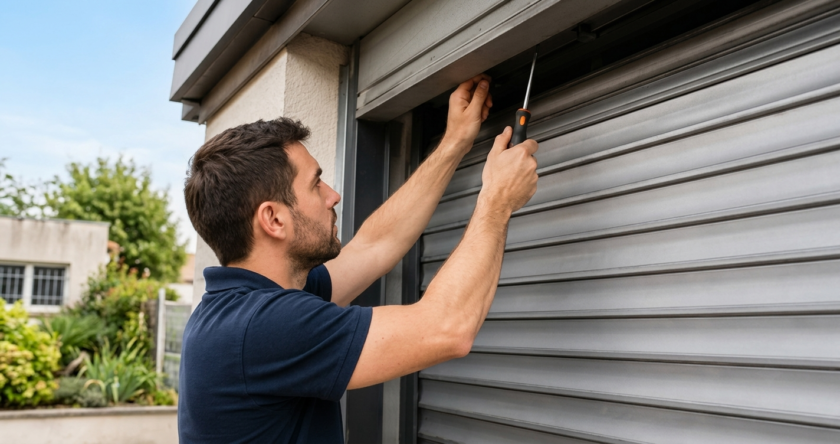
- Use a screwdriver to tighten all the screws visible on the slats and end locks
- If this does not solve the problem, it could be time to replace the guides in the tracks
- It is a little bit of a complicated task but is still doable with the proper components
Step 4: Troubleshooting Electric Shutters and Remotes
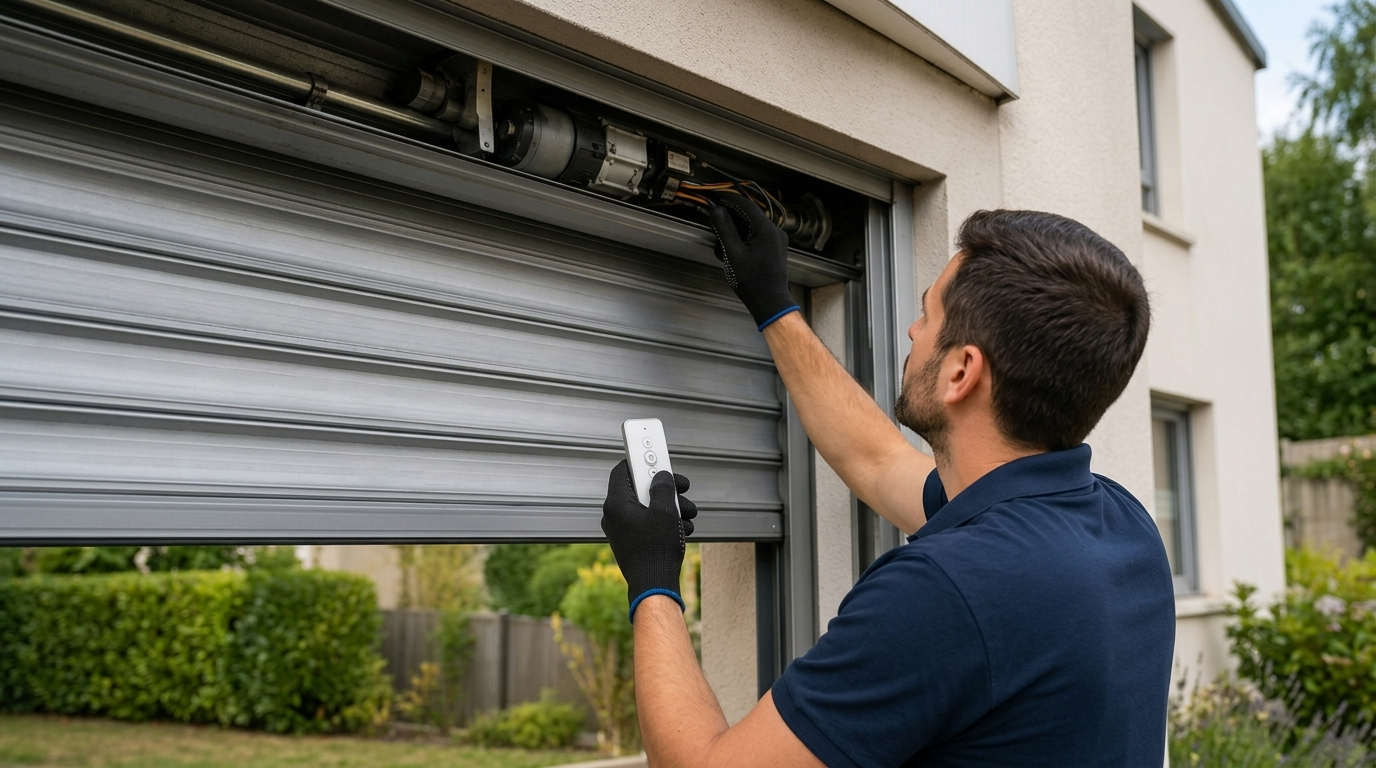
Motor humming but nothing moves? This often points to a jammed mechanism rather than an electrical fault, so revisit the track inspection steps above.
Persistent electrical issues or tripped circuits? These are signs it may be time to call a qualified technician, since working inside the motor housing carries real safety risks.
smart roller shutter upgrades for homes
Step 5: Regular Maintenance Prevents Future Headaches
The best repair is the one you never have to make. A simple routine goes a long way:
- Clean the tracks every few months
- Check for loose fittings and tighten as needed
- Apply fresh silicone lubricant regularly
- Wipe slats with a damp cloth to remove salt residue near the coast
- Check the shutter box for nesting insects or birds
Adelaide’s dusty summers in particular make regular cleaning worthwhile, since sand and grit build up quickly in exposed tracks.
When to Call in the Professionals
DIY fixes handle most everyday shutter problems, but some situations call for expert help:
- Damaged springs under tension
- Persistent motor faults
- Structural issues with the housing
Springs contain high amounts of energy and may be dangerous if they are not handled appropriately. If you have tried the roller shutter repair guide for homeowners and the problem persists, do not proceed to attempt more repairs. Let an expert give their opinion to avoid costly mistakes.
Final Thoughts
A well-maintained roller shutter is one of the easiest means to secure both your comfort and safety at home, and in most cases, a few minutes of effort, the appropriate tools, and patience will help you solve any problem easily. Follow the steps mentioned above carefully, and you’ll see that everything is going to work just fine.
If you find yourself unable to tackle some of the more complex tasks, or if you prefer to leave your shutters in good hands, the expert professionals at Roller Shutter Repairs Adelaide will happily assist you in maintaining your shutters.
If your roller shutters still aren’t operating smoothly after following these DIY steps, professional assistance may be the safest and most cost-effective solution. Learn more about our roller shutter fixing services in Adelaide for expert repairs, maintenance, and reliable solutions to restore your shutters quickly
Frequently Asked Questions
- Why is my roller shutter stuck halfway?
Generally due to dirt on the tracks, a broken slat, or insufficient lubrication. Cleaning the tracks and using silicone spray will generally resolve the issue quickly.
- Can I fix an electric roller shutter myself?
Small repairs, such as remote synchronization and track blocking, can be done by yourself, while motor and electrical repairs need to be done by a professional.
- How often should I maintain my roller shutters?
It is recommended that your roller shutters be cleaned and oiled at least once every three to four months.
- What tools do I need for basic shutter repairs?
A soft brush, screwdriver, pliers, cloth, and silicone spray lubricant will be sufficient for the vast majority of shutter repairs without specialized equipment.
- When should I stop DIY and call a professional?
If it involves anything with springs, motors, or even internal parts of the housing, it would be better to call an expert instead of risking injuries or more damage.